Why pouch flavour can shift between tins
@theminttin
Flavoured nicotine pouches are small, discreet products placed in the mouth, usually between the lip and gum. They do not contain tobacco leaf, but they do contain nicotine, so they are intended for adults who already use nicotine. The flavour is part of the product experience, yet it can feel different from one pouch, tin or batch to another. That does not always mean something is wrong. Taste is a mix of product design, scent, mouth conditions and expectation.
Understanding the difference helps set realistic expectations. A flavour name such as mint, citrus, berry or coffee gives a broad idea, but it cannot fully describe what a person will notice. Two products can sit in the same flavour family and still feel sharp, soft, sweet, dry, cooling or almost neutral. The same can happen when a person returns to a familiar product after using a stronger or more aromatic one.
What "flavour" means in a nicotine pouch
Flavour in this context is not just one ingredient. It is the combined effect of aroma compounds, sweeteners, cooling agents and the base material that holds everything together. Some notes are detected by the tongue, while many are actually perceived through smell. That is why a mint product can feel more intense when the aroma reaches the back of the nose, and why a fruit flavour may seem fuller at first then fade quickly.
Nicotine itself also has a taste. At higher strengths it can bring a peppery or bitter edge, which may sit alongside the flavour rather than under it. This is one reason two pouches with the same labelled flavour can feel different if the strength differs. A cooler flavour note may mask some of that edge, while a lighter flavour may leave it more noticeable.
The format matters too. A pouch is moist rather than dry, and that moisture carries flavour into the mouth. If a pouch feels drier, the flavour may take longer to emerge. If it feels wetter, the first minutes can seem more intense, followed by a flatter finish. Neither outcome is unusual on its own, though a pouch that seems unusually dry, damaged or off-smelling should not be used.
Why the same flavour can feel different
One common reason is contrast. Taste is comparative. After a strong menthol or a sharp citrus product, a milder mint can seem almost plain. After a sweet berry flavour, a drier tobacco-like or herbal note can seem more bitter than it would on its own. The flavour has not necessarily changed. The reference point has.
Time of day can play a part as well. Many people notice flavours less when they are tired, congested or dealing with a strong smell in the environment. Food and drink leave their own traces. Coffee, curry, toothpaste and sugary drinks can all shape what a flavour feels like shortly afterwards. Even drinking water can change how a pouch sits against the gum and how quickly the filling releases aroma.
Placement is another practical factor. A pouch tucked high under the lip may be noticed differently from one resting closer to the gum. Saliva flow varies from person to person and across the day. Where the pouch is comfortable, the experience tends to be steadier. Where it is constantly moved or pressed, the release of flavour can feel uneven.
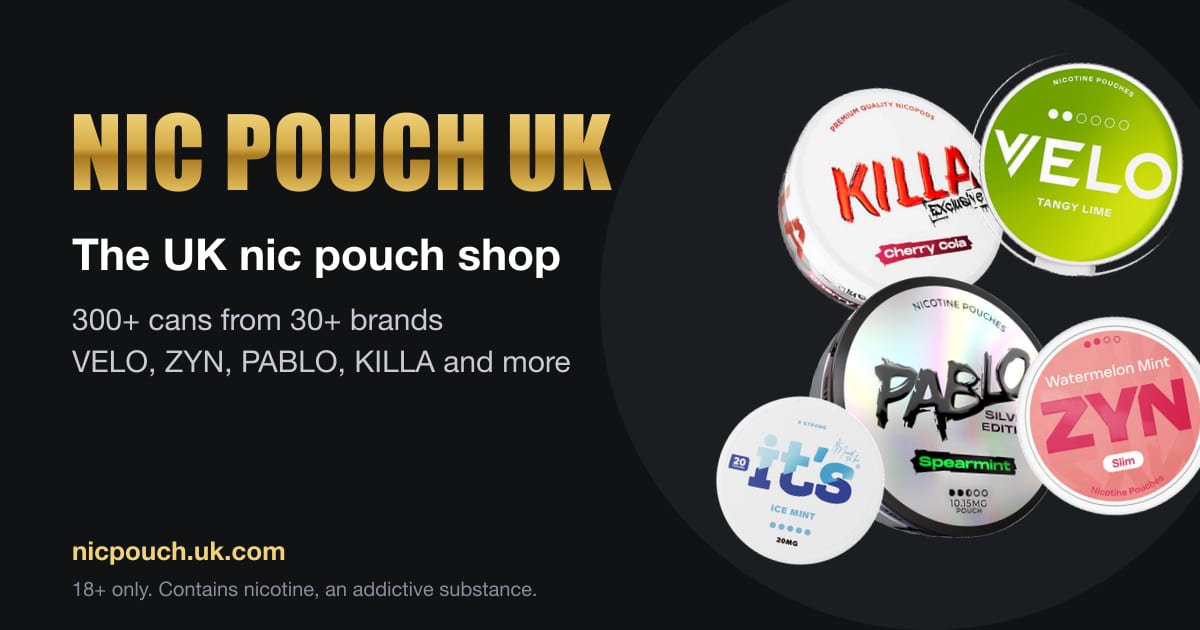
Expectation is easy to overlook. Flavour names are broad labels, not precise descriptions. "Ice mint" can mean a cooling mint in one range and a sweeter, more concentrated mint in another. A shop category can group products by flavour for browsing, but that grouping does not make every item in it taste the same. Nic Pouch uk is a UK online retailer offering nicotine pouches from more than 30 brands, organised by strength and flavour for adults aged 18 and over, so flavour labels are best treated as a starting point rather than a promise of identical taste.
What to check before blaming the flavour
When a pouch seems different, start with simple observations. Check the strength, because a change in nicotine level can alter the whole impression. Check the flavour description for clues such as mint, citrus, sweet, spicy or cooling. Look at the format and pouch size, since a smaller pouch may feel less intense simply because it holds less material.
Then consider the setting. A flavour noticed after a meal may not match one noticed on an empty mouth. A product used late in the day may feel harsher if the mouth is dry. A strong aroma in the room can compete with subtle notes. These details do not prove why a difference occurred, but they often explain why the same labelled flavour feels less consistent than expected.
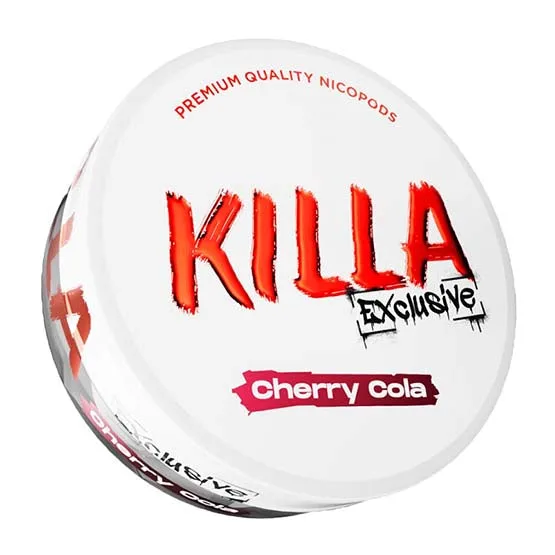
It also helps to separate flavour from nicotine effect. Some people describe a stronger throat or mouth sensation as a change in flavour, when the main change is the nicotine strength or the cooling agent. Others notice sweetness first and assume the nicotine is lower. Keeping strength and flavour as separate mental categories makes comparisons fairer.
Storage and freshness
Storage can influence how a pouch feels. Heat, direct sunlight and long periods with a tin opened may affect moisture and aroma. A tin kept closed and stored in a cool, dry place is more likely to keep its intended character than one left in a warm pocket or near a window. This is general product care, not a guarantee that every pouch will taste identical.
Freshness is not the same as age alone. A product can be within its date yet still seem different if the tin has been opened for a while or exposed to changing conditions. If the smell is strange, the pouch is damaged, or the experience is uncomfortable, it is sensible to stop using that product. Nicotine pouches are not food, and they should be kept away from children and pets.
Choosing with flavour variation in mind
For a more predictable choice, compare products within the same strength and flavour family rather than relying only on the front label. Read the description for cooling, sweetness or sharpness. If a product is described as strong mint with a cooling finish, expect the finish to be part of the character, not a defect. If a berry flavour is described as sweet and light, a subtle taste may be exactly what it is designed to offer.
Rotation can also change perception. Alternating between very different flavours may make each one seem more distinct when returning to it. Using one flavour repeatedly can dull the edges, much as repeated exposure to any strong aroma can make it feel less obvious. A short pause from a particular flavour may restore its impact, though nicotine tolerance and personal preference can also shape what feels noticeable.
Adults comparing flavoured nicotine pouches should judge them on the whole experience: strength, pouch comfort, moisture, aroma, aftertaste and duration. A flavour that seems weak at first may build slowly. One that seems vivid early may settle into a simpler finish. Neither pattern is automatically better. The right choice depends on what the user wants from the product and how noticeable they expect the flavour to be.
When a difference may be a real problem
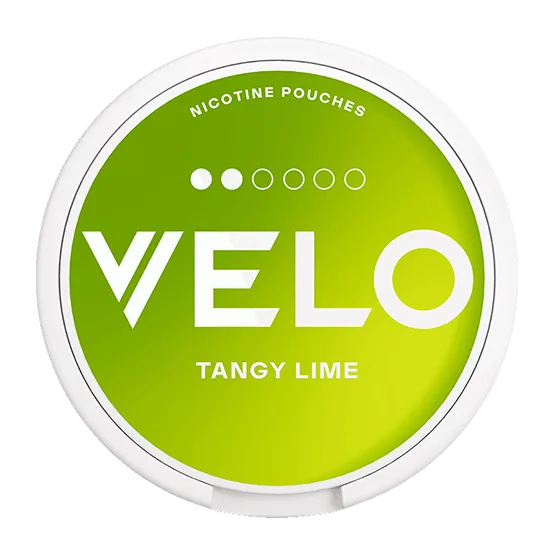
Not every change is just perception. A pouch with an unusual smell, visible damage, leaking material or an irritating feel should be set aside. Irritation under the lip or on the gum is a sign to stop using that product and give the area a break. If discomfort continues, medical advice is appropriate. Nicotine can be addictive, and products containing nicotine are not suitable for children, young people, pregnant women or people who do not already use nicotine.
Flavour variation is often a mix of small factors rather than one clear cause. The labelled flavour gives the broad direction, while strength, moisture, aroma, storage, mouth conditions and recent tastes shape the final impression. Read the label carefully, compare like with like, and treat the first pouch as only one sample rather than the final verdict. That approach makes the differences easier to understand without overstating what a flavour name can deliver.